Plucked strings: shaping what follows the attack
The Chinese pipa has a pear-shaped body, four strings and raised frets. A crisp attack can become a sustained texture through rapid repeated plucking, often called tremolo in English descriptions. Other gestures produce contrasts in articulation, density and color. Rather than hearing only speed, notice where the player lets a note ring and where an attack interrupts the resonance already in motion.
The guzheng is a different instrument: a long zither with movable bridges. On a common modern setup, the right hand plucks on one side of the bridges while the left hand can press strings on the other side, changing tension and therefore pitch. This description is an entry point, not a rule that covers every technique. Listen for a note that begins clearly and then rises, shakes or settles after the initial pluck.
In Hindustani music, sitar players can pull a string sideways across a fret to produce meend, a connected pitch movement. Sympathetic strings contribute to the instrument's resonant response. The characteristic buzzing quality also depends on the bridge and its preparation. Saying “it has extra strings” does not explain the whole sound: string choice, setup, touch and repertoire all matter.
Bowed strings: a continuous supply of energy
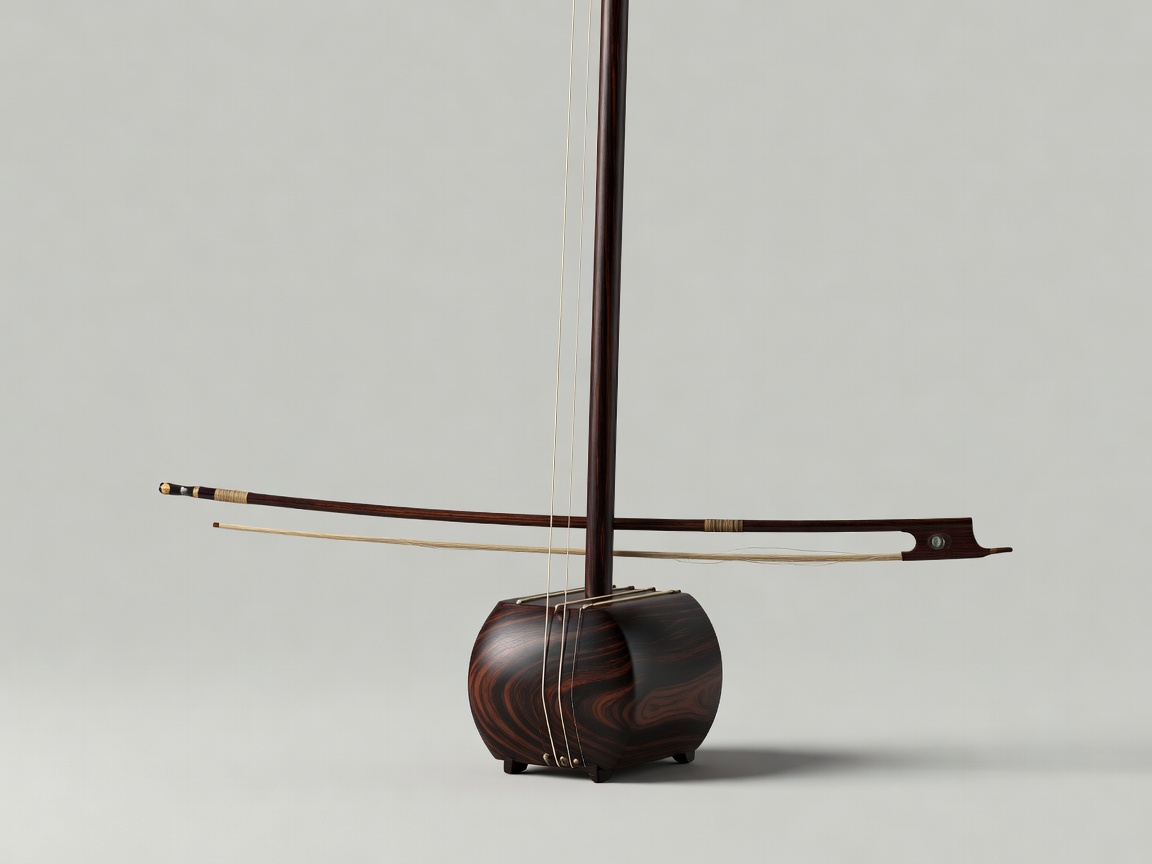
The erhu has two strings, with bow hair running between them. A player's changing bow speed and pressure, together with left-hand movements, shape the unfolding tone. Its neck has no fingerboard of the familiar violin type. Those physical differences influence technique, but they do not make the erhu a substitute violin. Listen to a performance on its own terms before comparing instruments.
The Korean haegeum is another two-string bowed instrument, with a distinct construction, technique and repertoire. Iranian kamancheh and a range of Central Asian bowed instruments offer further examples of how a broad sound-production family contains very different musical worlds. Similar mechanisms are not proof of identical histories, and a family label cannot replace knowledge of a particular practice.
Breath, edges and reeds
A shakuhachi tone begins where air meets the flute's blowing edge. Changes in head position, breath and finger coverage can alter pitch, color and intensity. Breath noise is not necessarily a flaw to be removed: in some repertoire it is part of the expressive vocabulary. Compare a firm, focused tone with a more diffuse attack and ask how each changes the pacing of the phrase.
The Chinese sheng uses free reeds and multiple pipes, allowing combinations of pitches in ways that differ from a single melodic flute line. Its capacities make it a compelling participant in contemporary chamber writing as well as established repertoires. The Korean piri, by contrast, is a double-reed instrument whose penetrating tone can remain recognizable even in a dense amplified ensemble.
Skin and bronze: more than a timekeeper
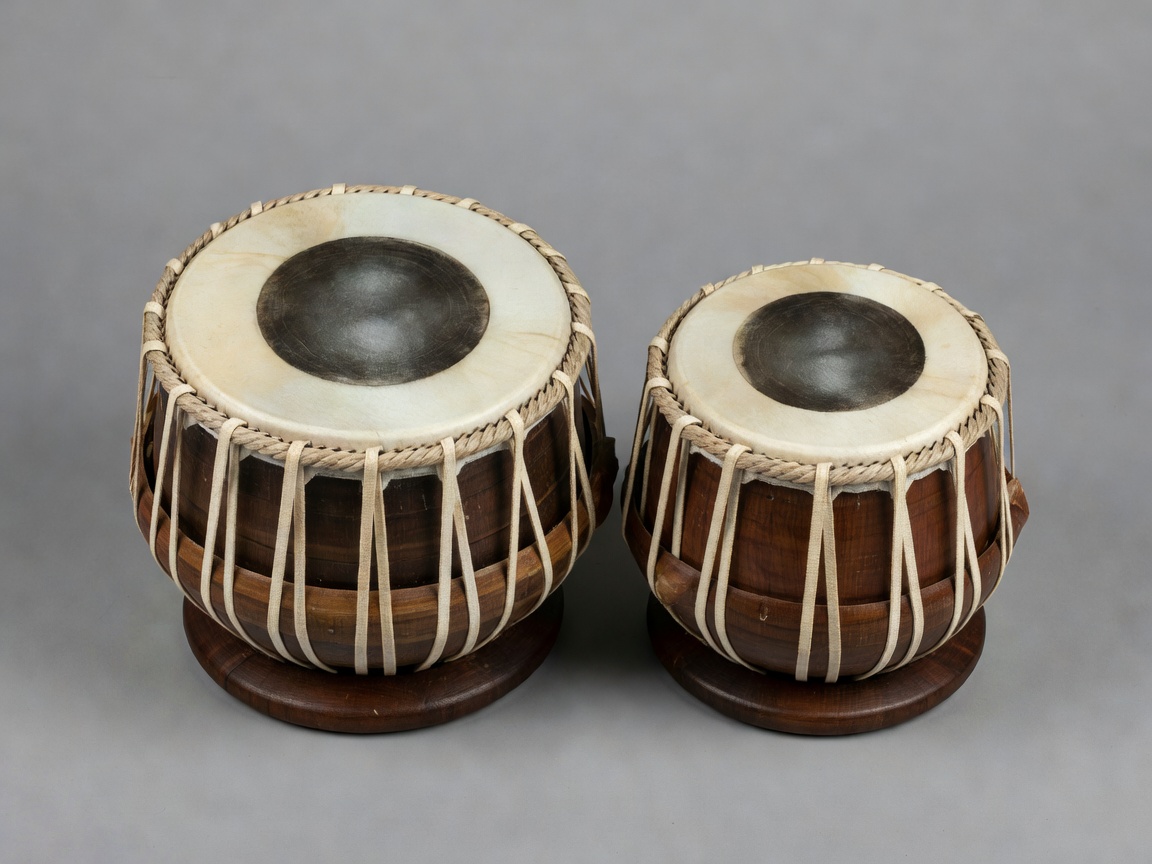
Tabla comprises two drums with different shapes and sonic resources. Players articulate a vocabulary of strokes, often represented through spoken syllables called bols. The larger drum can produce expressive pitch inflections through pressure and hand technique. When listening, separate its moving bass tone from the sharper attacks of the smaller drum, then hear how the two form a connected rhythmic statement.
In many gamelan ensembles, bronze keys and gongs distribute musical functions across an interdependent group. Damping is as important as striking: an uncontrolled ring can blur a pattern that relies on clear coordination. Some Balinese instruments are paired with deliberately different tunings, producing audible beating. This is a designed quality of the ensemble, not simply an instrument being “out of tune.”
Physical question
What vibrates, and how does the player start, sustain or stop it? Follow a string, air column, membrane or metal body.
Musical question
What role does that sound play here? It might carry a melody, mark a cycle, answer a voice or create a composite pattern.
Instrument identity keeps changing
Materials, amplification and design are not frozen. Modern guzheng and gayageum variants, altered string counts and experimental instrument building show how musicians respond to new repertoire and performance conditions. A pickup or a pedal does not automatically sever a tradition; it changes the available choices. Whether those choices preserve, challenge or redirect a practice depends on the work and its context.
Begin with a close recording of one instrument, then hear it in an ensemble. Compare attack, decay, pitch movement and silence. A recognizable timbre is useful, but listening to relationships reveals much more than an instrument-identification quiz.
Continue researching
- The Metropolitan Museum of Art collection — search named instruments to compare documented objects and their materials.
- Smithsonian collections — a starting point for museum records; check each object's provenance and description.